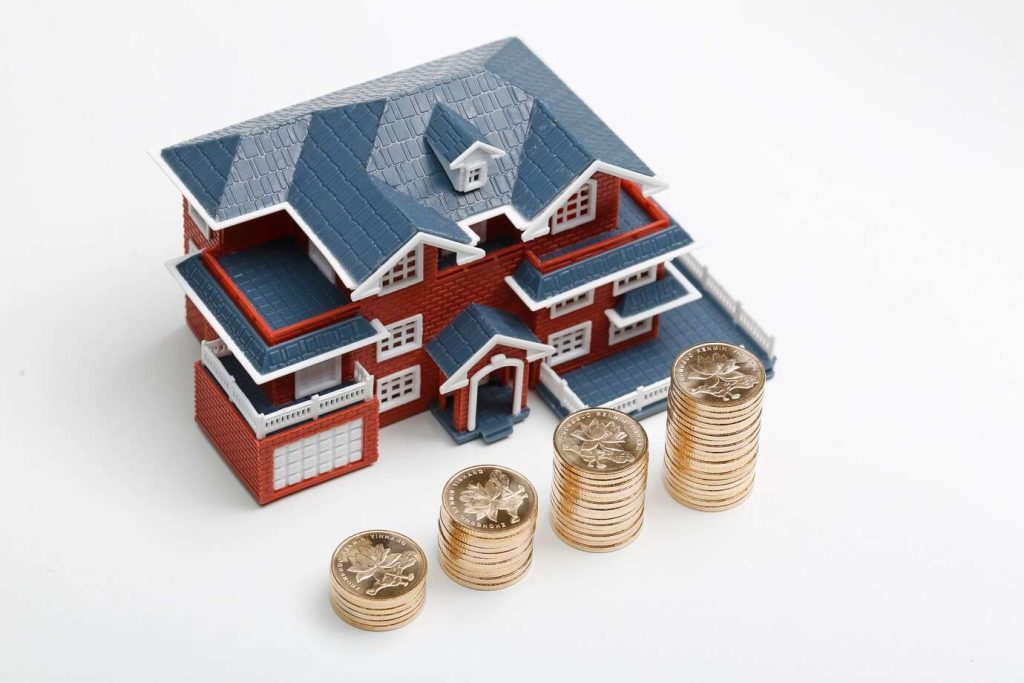
Real estate tokenization is changing the way we invest in property. By converting physical assets into digital tokens, it makes buying, selling, and owning real estate easier and more accessible. With the growing interest in this innovative approach, more investors are exploring how tokenization can offer new opportunities and streamline transactions.
In this blog post, we’ll dive into what real estate tokenization is all about, uncover the exciting opportunities it presents, and discuss the challenges that come with it. Let’s see how this technology is reshaping the real estate landscape.
What is Real Estate Tokenization?
Real estate tokenization is a game-changer in the property investment world. It involves converting physical real estate assets into digital tokens that can be bought, sold, and traded on blockchain platforms. But what does that really mean?
Imagine owning a piece of a high-value property without needing a huge amount of money upfront. Tokenization makes this possible by breaking down property ownership into smaller, more affordable units. Each token represents a fraction of the property, allowing multiple investors to share ownership.
The magic behind this process lies in blockchain technology and smart contracts. Blockchain acts as a secure, transparent ledger, recording every transaction and ensuring everything is above board. Smart contracts, on the other hand, are self-executing agreements that automatically enforce the terms of a deal once conditions are met. They simplify and speed up transactions, making the whole process more efficient and less prone to errors.
In short, real estate tokenization leverages the power of blockchain and smart contracts to make property investment more accessible, transparent, and efficient for everyone.
Opportunities in Real Estate Tokenization
Enhanced Liquidity
Tokenization significantly increases liquidity in the real estate market. Traditionally, selling property can take months, but tokenized assets can be bought and sold quickly on digital platforms. For example, owning a token representing a fraction of a building allows you to sell your share just like you would with stocks, making real estate investment more flexible.
Global Accessibility
With tokenization, investors from around the world can easily participate in real estate markets. It removes geographical and regulatory barriers, allowing anyone to invest in properties anywhere. This global reach opens up new opportunities and creates a more diverse investment landscape.
Fractional Ownership
Tokenization allows for fractional ownership, meaning you can own a small part of a large property. This is great for small investors who want to diversify their portfolios without needing a huge amount of capital. It democratizes real estate investment, making it accessible to a broader audience.
Transparency and Efficiency
Blockchain technology ensures transparency and reduces fraud by recording all transactions on a secure, decentralized ledger. Automated smart contracts streamline the process, enforcing agreements automatically and reducing the need for intermediaries. This leads to faster, more efficient transactions and greater trust among investors.
Challenges in Real Estate Tokenization
Regulatory Compliance
One of the biggest challenges in real estate tokenization is navigating the regulatory landscape. The rules around digital assets vary widely across different countries, making it tricky to ensure compliance. Clear and consistent guidelines are needed to protect investors and standardize practices. Without these, it’s tough to confidently move forward with tokenization projects.
Technology and Infrastructure
Another hurdle is the technology itself. A robust blockchain infrastructure is essential to support tokenized real estate. Ensuring security and scalability is a must, but it’s not always easy. Blockchain platforms need to handle high volumes of transactions without compromising on security. This requires continuous improvement and innovation.
Investor Education and Trust
Educating investors about tokenization is crucial. Many people are still unfamiliar with how digital assets work. Building trust is also a challenge, as investors need to feel confident about the security and reliability of tokenized real estate. Clear communication and transparency are key to addressing these concerns and encouraging participation.
Market Liquidity Issues
Lastly, liquidity can be a concern. While tokenization aims to increase liquidity, the market for these digital tokens is still developing. Ensuring there are enough buyers and sellers to keep the market fluid is important. Solutions like secondary markets and better trading platforms can help improve liquidity and boost investor confidence.
How to Start Investing in Tokenized Real Estate
Choosing a Platform
When starting with tokenized real estate, picking the right platform is crucial. Look for a platform that prioritizes security and has a solid track record. Check for user-friendly features and ease of navigation. Reliable platforms should offer transparent transaction processes and robust security measures, like encryption and multi-factor authentication. Reading reviews and comparing different platforms can help you make an informed choice.
Understanding Legal and Financial Aspects
Before investing, it’s vital to review all legal documents thoroughly. Understanding the financial implications is equally important. Make sure you know what you’re getting into, including any potential risks and returns. Consulting with a financial advisor can provide clarity and help you make smart decisions.
Monitoring and Managing Investments
Once you’ve invested, keep a close eye on your assets. Use the platform’s dashboard to track performance and stay updated on market trends. Secondary markets play a key role here, allowing you to buy and sell tokens to maintain liquidity. Regularly reviewing your portfolio ensures you stay aligned with your investment goals.
The Future of Real Estate Tokenization
Predicted Market Growth
The future of real estate tokenization looks promising. Experts predict significant market growth as more investors embrace this innovative approach. Emerging trends include increased use of blockchain technology and smart contracts, making transactions smoother and more transparent. As technology advances, tokenization is set to become even more mainstream.
Regulatory Developments
As the tokenization market grows, regulations are evolving to keep pace. Governments and financial institutions are working to establish clear guidelines to protect investors and ensure market stability. These regulations will likely shape how tokenization platforms operate, making compliance a crucial aspect for future success.
Long-Term Benefits
In the long run, real estate tokenization offers numerous benefits. For investors, it means greater access to diverse property markets and the ability to invest with smaller amounts of capital. The industry as a whole stands to gain from increased liquidity, transparency, and efficiency. As tokenization continues to evolve, it promises to revolutionize real estate investment, making it more accessible and profitable for everyone involved.
Conclusion
In summary, real estate tokenization is revolutionizing property investment by making it more accessible, transparent, and efficient. We’ve explored the key opportunities, such as enhanced liquidity and global accessibility, as well as the challenges, like regulatory compliance and technological infrastructure. Tokenization offers significant benefits but also requires careful consideration.
As you think about your investment strategy, consider how tokenization could open new doors for you. For personalized advice and to learn more about tokenization opportunities, explore Primior’s services. We’re here to help you navigate this exciting new frontier in real estate investment.