As a rental property owner, you’re constantly juggling expenses, repairs, tenant communications, and hopefully, rental income. But amidst the day-to-day management, have you ever paused to ask, “Is this rental property truly worth the time and money I’m investing?”
Understanding your Return on Investment (ROI) is a crucial step in determining the long-term financial success of your rental property. It goes beyond simply looking at your monthly cash flow. At Primior, we help investors maximize their ROI through expert asset management, and this guide will equip you with the tools to do the same.
What is ROI?
Return on Investment (ROI) is a measure of how much profit you generate about the amount you’ve invested. In the context of rental properties, it tells you if the money, time, and effort you put into your property are yielding the returns you expect. A high ROI means your investment is performing well, while a low or negative ROI raises red flags.
Calculating Income
Let’s start with the fun part – the income! Here’s what to include:
- Monthly Rent: This is the obvious one – your primary income source.
- Additional Fees: Factor in any extra income streams such as pet rent, parking fees, laundry facilities, or storage space rental on the property.
- Future Potential: Based on your local market knowledge, consider the potential for reasonable rent increases over time.
- Tokenized Real Estate: If you’re exploring tokenized ownership models (like Primior’s USP™ platform), highlight how it can potentially diversify and increase your income streams.
Factor in ALL Expenses
Income is only half the story. To get a true ROI, we need a clear picture of your expenses:
- Mortgage Payments: Include principal, interest, taxes, and insurance (PITI).
- Maintenance & Repairs: From fixing leaky faucets to replacing appliances – these costs vary depending on the property’s age and condition.
- Vacancy Costs: Even with the best tenants, vacancies happen. Budget for potential income loss during turnover periods.
- Property Management Fees: If using a property manager, include their fees here.
- Marketing & Advertising: Costs associated with finding new tenants.
- Taxes and Insurance: Property taxes and landlord insurance premiums.
- Legal and Professional Fees: Costs for drafting leases, background checks, or potential eviction proceedings.
The Calculation
Now for the math! Here’s a simplified ROI formula:
[(Annual Profit / Total Investment) x 100] = ROI%
- Example: Let’s say your annual profit after expenses is $15,000, and your total investment in the property (down payment, closing costs, initial repairs) was $100,000. Your ROI would be:
- [(15,000 / 100,000) x 100] = 15% ROI
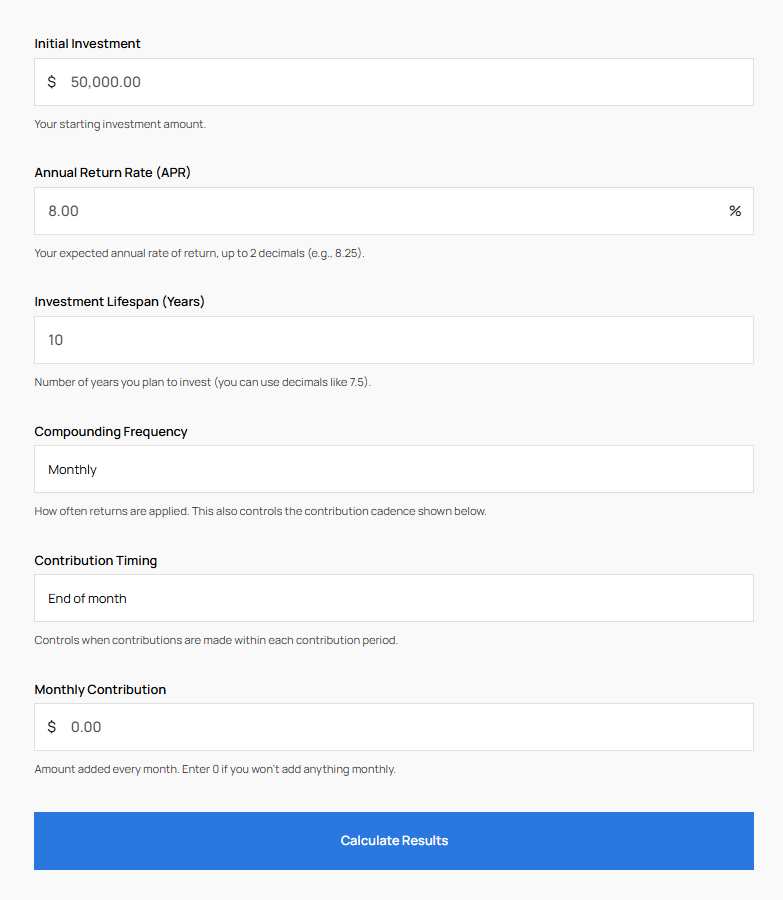
Advanced Calculation: Mention that more advanced ROI calculations factor in potential property appreciation over time and the opportunity cost of your money. Recommend using a specialized property investment calculator.
What’s a ‘Good’ ROI?
There isn’t a one-size-fits-all answer to this question. A “good” ROI depends on several factors, including:
- Risk Tolerance: Higher-risk investments usually demand higher potential returns.
- Market Conditions: Your ROI is tied to the local real estate market’s performance.
- Investment Goals: Are you seeking long-term appreciation or immediate cash flow?
Industry Benchmarks: While not definitive, it’s helpful to offer some industry averages to give readers a frame of reference for their own property.
Conclusion
Calculating your rental property’s ROI is an essential step to making informed decisions about its future. By accurately tracking income and expenses, you gain a complete picture of your investment’s performance.