Inflation is the silent wealth killer. When cash sits in a bank account yielding 1% while inflation runs at 4% or 5%, you are losing purchasing power daily.
Historically, Real Estate has been viewed as one of the best hedges against inflation. But the relationship between inflation, interest rates, and Commercial Real Estate (CRE) valuations is complex.
In the current economic cycle, investors need to understand how inflation acts as both a tailwind and a headwind for their portfolios.
The Tailwind: Inflation Force-Feeds Appreciation
In an inflationary environment, the cost of everything rises—including the “replacement cost” of real estate.
1. Rising Replacement Cost
As the cost of lumber, steel, concrete, and labor increases, it becomes significantly more expensive to build new properties. This creates a price floor for existing buildings. Why build a new medical office for $400/sq ft when you can buy an existing one for $300/sq ft? This supply constraint pushes the value of existing assets up.
2. Rent Growth
Commercial leases are designed to capture inflation.
- Step-Ups: Most leases have annual rent increases built-in (often 3%).
- CPI Adjustments: Some leases are explicitly tied to the Consumer Price Index.
- Market Rents: As leases expire, landlords mark rents to market rates, which have risen with inflation.
Higher revenue (NOI) directly translates to higher property value, assuming Cap Rates stay stable.
3. Debt Erosion
If you hold fixed-rate debt on a property (e.g., a mortgage locked at 4%), inflation is your friend. You are paying back the loan with “cheaper,” inflated dollars in the future. The real value of your debt decreases while the nominal value of your asset increases.
The Headwind: Interest Rates and Cap Rate Expansion
The Federal Reserve fights inflation by raising interest rates. This is the friction point.
When the cost of borrowing rises, investors demand higher returns. This typically causes Cap Rate Expansion.
- If investors demanded a 5% return (Cap Rate) when interest rates were 3%, they might demand a 7% return when rates are 6%.
- Mathematically, if NOI stays the same but Cap Rate goes from 5% to 7%, the property value *drops*.
The Battle: For a CRE investment to perform in high inflation, the Rent Growth (NOI increase) must outpace the Cap Rate Expansion.
Why Asset Selection Matters
Not all real estate wins in this environment.
- Losers: Properties with long-term, flat leases where landlord pays expenses. Their income is flat while costs (utilities, labor) skyrocket.
- Winners: Properties with short-term leases (allowing frequent rent resets) or NNN leases (where the tenant pays the inflated expenses). Multi-family and Hospitality can reset rates daily or yearly. Medical Office creates value through scarcity and high tenant retention.
The Primior Strategy
At Primior, we focus on value-add development. We don’t just bank on market inflation; we force appreciation through Vertical Integration. By handling the design, construction, and management in-house, we control costs better than competitors and deliver institutional-grade assets that command premium rents.
In an inflationary world, holding hard assets is essential. But holding the *right* hard assets—managed by a team that understands the debt/equity dynamics—is how wealth generates alpha.
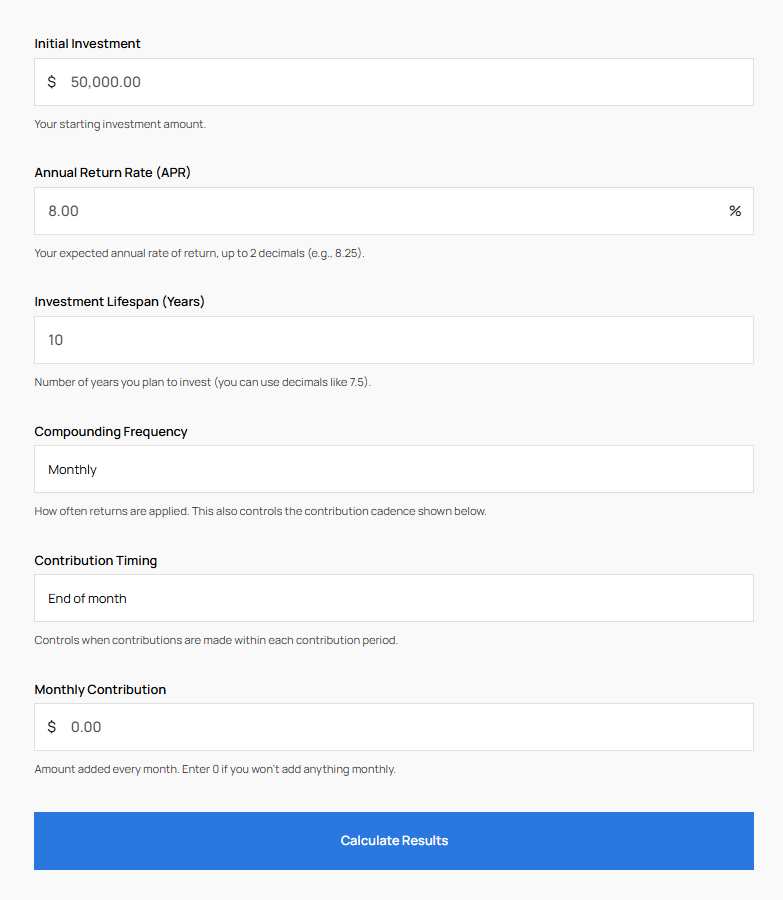
Calculate your potential returns or explore our active syndications to see how we position capital for the current economic cycle.