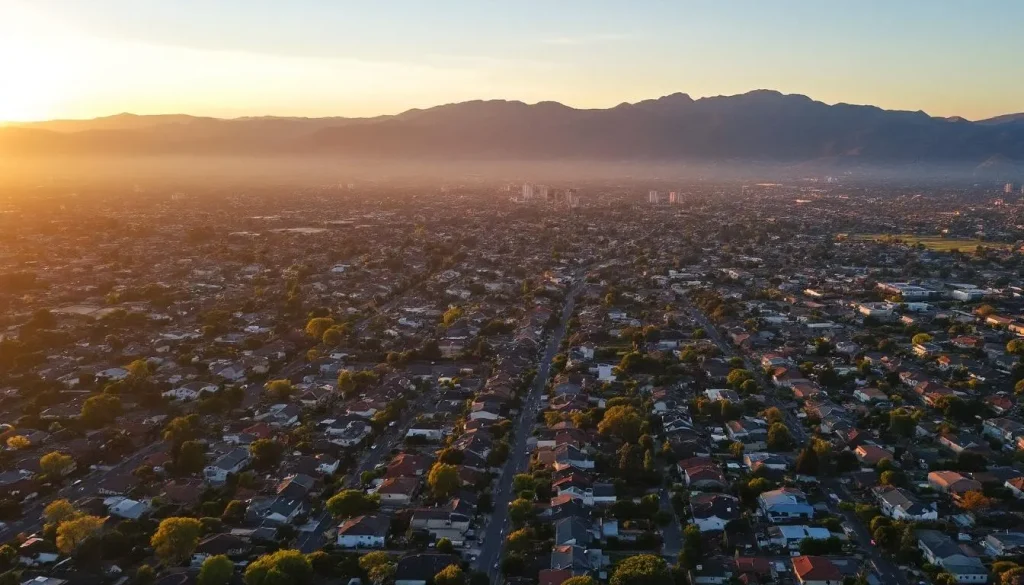
The San Gabriel Valley — an 87-square-mile region east of downtown Los Angeles spanning cities including Pasadena, Glendora, San Dimas, Alhambra, Monterey Park, and Arcadia — is attracting renewed investor interest as affordability relative to coastal Los Angeles and Orange County improves, and as demographic and employment trends favor established suburban communities with strong Asian-American consumer bases.
For investors researching San Gabriel Valley real estate investment opportunities in 2026, this market presents a mix of value-add multifamily, industrial last-mile logistics, and boutique retail repositioning opportunities that differ meaningfully from coastal submarkets.
This article examines San Gabriel Valley real estate market dynamics in 2026, identifies where investors are concentrating capital, and provides practical guidance for evaluating SGV investment opportunities.
San Gabriel Valley Market Overview
The San Gabriel Valley benefits from proximity to major employment centers, relatively lower acquisition costs compared to coastal Los Angeles, and strong demographic fundamentals driven by affluent Asian-American communities with median household incomes significantly above national averages in communities like San Marino, Arcadia, and Bradbury.
The region’s transportation infrastructure — including the 210 Freeway, Metro Gold Line light rail connecting Pasadena to downtown Los Angeles, and proximity to Ontario International Airport — provides accessibility for both residents and logistics operations.
Key market characteristics in 2026:
– Multifamily rents have stabilized after moderate growth, with certain submarkets showing renewed rent appreciation as coastal displacement continues
– Industrial demand remains strong from food processing, wholesale trade, and last-mile delivery operators
– Retail is bifurcating between struggling traditional mall and strip retail and repositioned neighborhood serving centers
– Office market is largely stable for Class B buildings serving professional service tenants
Where Investors Are Buying: Top Submarket Opportunities
Pasadena: Innovation Corridor and Tech Employment
Pasadena is the economic anchor of the San Gabriel Valley, home to California Institute of Technology (Caltech), NASA’s Jet Propulsion Laboratory, and a growing cluster of technology and healthcare companies. The Rose Bowl and Pasadena Convention Center support hospitality and retail sectors.
Multifamily investment thesis: Pasadena multifamily commands premium rents relative to other SGV submarkets due to employment concentration and quality-of-life appeal. Class B properties within walking distance of Old Town or near the Gold Line offer value-add potential through interior renovations and amenity improvements.
Acquisition price range: Class B multifamily in Pasadena trades at $350,000 to $500,000 per unit. Cap rates range from 4.5% to 5.5% for Class A and 5.0% to 6.0% for Class B value-add.
Industrial investment thesis: Pasadena industrial is constrained by limited vacant land for new development. Existing warehouse and distribution facilities serving Pasadena employers trade at stable cap rates with low vacancy.
Alhambra and Monterey Park: Value-Add Multifamily
Alhambra and Monterey Park offer more accessible entry points than Pasadena, with dense residential neighborhoods, strong restaurant and retail corridors serving Asian-American communities, and proximity to downtown Los Angeles employment.
Investment thesis: These cities offer Class B and C multifamily properties at lower acquisition costs than Pasadena or Arcadia, with value-add potential through exterior improvements, unit upgrades, and property management optimization.
Acquisition price range: Class B/C multifamily in Alhambra and Monterey Park trades at $200,000 to $320,000 per unit. Cap rates range from 5.0% to 6.5% depending on condition and tenant quality.
Target investor: Operators with construction and renovation expertise who can execute light to moderate value-add business plans.
Glendora and San Dimas: Affordability and Growth
The eastern San Gabriel Valley cities of Glendora and San Dimas offer the most affordable acquisition basis in the region, with single-family and small multifamily properties trading at significant discounts to western SGV submarkets.
Investment thesis: These cities attract working-class households priced out of Pasadena and the San Gabriel Valley core. Rental demand is stable from service industry, healthcare, and educational employees.
Acquisition price range: Small multifamily (4 to 12 units) trades at $150,000 to $250,000 per unit. Cap rates of 5.5% to 7.0% reflect higher operational overhead and tenant turnover risk.
Risk factors: These submarkets face more competition from single-family rentals and have less institutional investor infrastructure, which can complicate exits.
Arcadia and San Marino: Ultra-High-End Residential
Arcadia and San Marino represent the ultra-premium residential tier of the San Gabriel Valley, characterized by large-lot single-family homes, excellent public schools (Arcadia Unified consistently ranks among California’s best), and proximity to the Santa Anita Park racetrack and Westfield Santa Anita mall.
Investment thesis: These markets are primarily for ultra-high-net-worth individuals or investors targeting the luxury residential segment. There is minimal multifamily investment activity in this price tier.
Note: Direct residential investment in Arcadia and San Marino requires extremely high capital minimums and offers limited cash flow returns relative to other SGV submarkets.
Industrial: The Hidden Gem of SGV Investment
The San Gabriel Valley’s central location between the Ports of Los Angeles and Long Beach and Inland Empire distribution hubs makes it strategically important for industrial and logistics real estate.
Investment thesis: Properties near the 210, 10, and 57 Freeways serving last-mile delivery, food processing, and wholesale trade operations are in demand. Lease terms are typically 3 to 5 years with annual rent escalations of 2% to 3%.
Acquisition price range: Small industrial properties (10,000 to 50,000 sq. ft.) in Glendora, Pomona, or Irwindale trade at $120 to $200 per sq. ft. Cap rates range from 5.5% to 7.0%.
San Gabriel Valley Rent Trends
Rent growth in the San Gabriel Valley has moderated from the 2021-2022 peak but remains positive in high-demand submarkets. Data from multiple tracking sources indicates:
Pasadena: One-bedroom rents range from $2,200 to $3,000. Two-bedroom rents range from $2,800 to $4,000. Annual rent growth of 2% to 4% in 2025.
Alhambra/Monterey Park: One-bedroom rents range from $1,700 to $2,200. Two-bedroom rents range from $2,200 to $3,000. Stable to 2% growth.
Glendora/San Dimas: One-bedroom rents range from $1,500 to $1,900. Two-bedroom rents range from $1,900 to $2,500. Annual rent growth of 1% to 3%.
The stability in SGV rents reflects the region’s diverse employment base, limited new multifamily supply compared to coastal markets, and continued demand from households seeking affordability within driving distance of Los Angeles employment.
SGV Property Demand Drivers
Several structural trends support continued investment demand in the San Gabriel Valley:
Coastal displacement: Households priced out of Westside Los Angeles, Santa Monica, and coastal Orange County are moving east into SGV communities within driving distance of their employment. This displacement demand supports rent growth in Pasadena, Glendora, and communities along the Gold Line corridor.
Aging in place: The San Gabriel Valley’s established suburban character attracts families and empty-nesters seeking space and value. This demographic stability supports demand for both owner-occupied and rental housing.
Employment diversification: While historically dependent on manufacturing and aerospace, SGV employment has diversified into healthcare (Kaiser Permanente, Huntington Memorial Hospital), higher education (Caltech, PCC), and professional services. This diversification provides economic resilience.
Food and hospitality corridor: Monterey Park has one of the highest concentrations of Asian restaurants and entertainment venues in North America, supporting retail and hospitality investment in that corridor.
Risks and Considerations
Entitlement complexity: SGV cities have varying zoning regulations and neighborhood conservation districts that can complicate development and renovation plans. Arcadia and San Marino in particular have strict development restrictions.
Seismic risk: The San Gabriel Valley sits near the San Andreas Fault. Properties should be evaluated for seismic retrofitting needs, and earthquake insurance costs should be factored into underwriting.
Environmental considerations: Former industrial sites in Pomona, Irwindale, and San Dimas may have environmental contamination requiring Phase I and Phase II assessments before acquisition.
Property tax basis: California’s Proposition 13 caps property tax increases at 2% annually, which benefits long-term owners but creates unequal tax burdens between newer and legacy property owners that affects net operating income comparisons.
Investment Strategy by Property Type
For multifamily value-add: Focus on Class B properties in Alhambra, Monterey Park, and Glendora where acquisition costs allow meaningful renovation budgets and achievable rent premiums of 10% to 20% post-renovation.
For stabilized multifamily: Pasadena offers the strongest fundamentals but commands premium pricing. Class A assets in Pasadena should be underwritten conservatively with cap rates at 4.5% to 5.0% to account for acquisition premium.
For industrial: Small-bay warehouse and distribution properties in Glendore and Irwindale along the 210 corridor offer stable cash flows with less operational complexity than multifamily.
For retail: Neighborhood serving retail anchored by grocery, pharmacy, or healthcare tenants in well-established SGV strip malls offers defensive cash flows. Avoid speculative or fashion-oriented retail.
Conclusion
San Gabriel Valley real estate investment opportunities in 2026 span a range of property types and risk profiles. Pasadena offers institutional-grade multifamily with strong employment fundamentals but premium pricing. Alhambra and Monterey Park offer accessible value-add opportunities for operators with renovation expertise. Glendora and San Dimas provide affordable entry points with stable tenant demand. Industrial properties serve logistics demand driven by regional port proximity.
Investors who understand SGV’s neighborhood-level dynamics, demographic drivers, and acquisition cost differences across submarkets will find opportunities that coastal Los Angeles markets cannot match on a cash-on-cash return basis.
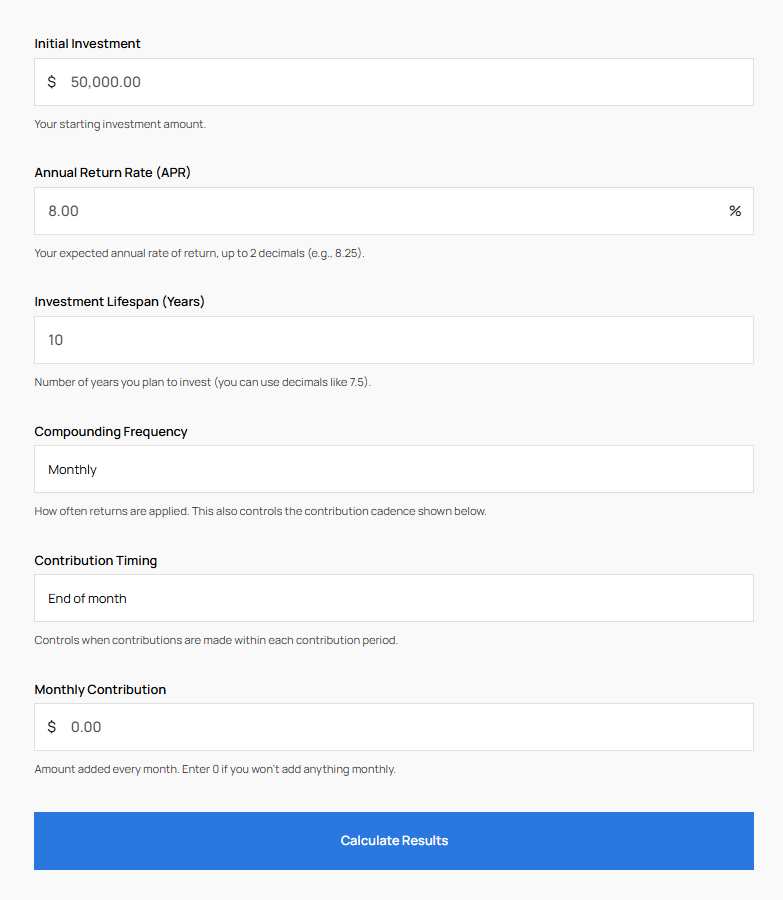
For more on Southern California investment markets, explore Primior’s LA and Orange County development report and current investment opportunities. Use Primior’s investment calculator to model returns across SGV property types and acquisition scenarios.
The San Gabriel Valley remains one of Southern California’s most underrated investment corridors, offering diverse property types, stable tenant bases, and acquisition economics that outperform coastal markets on a cash-on-cash basis. Investors who take the time to understand neighborhood-level dynamics and local market conditions will find compelling risk-adjusted returns across multifamily, industrial, and retail property types.
Primior maintains active market presence in the San Gabriel Valley, connecting investors with qualified opportunities across all major property types.